


There’s a lot to see at Sedgwick County Zoo, and the elephant family has been keeping things especially interesting. Four African elephant calves were born here in 2025: Bomani, Kijani, Asali and Dakari. The births were part of the Association of Zoos and Aquariums African Elephant Species Survival Plan, which supports the sustainability of elephant populations in human care.
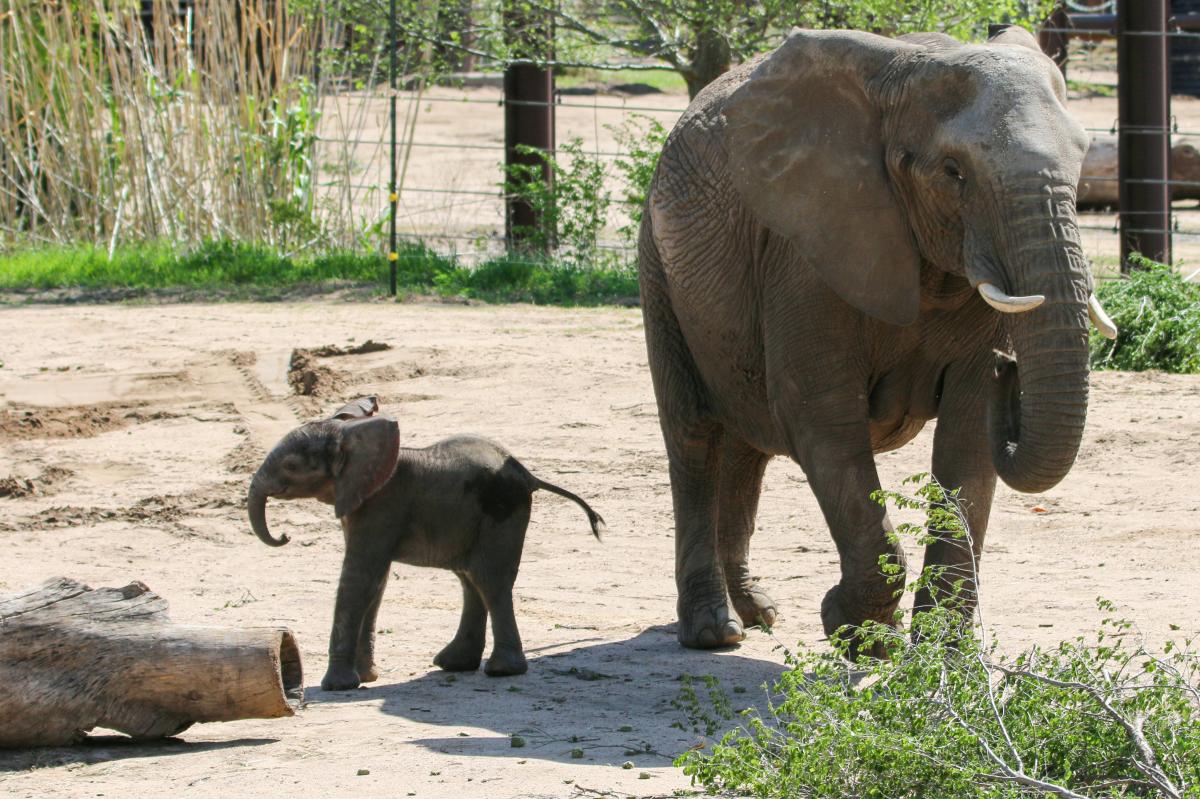
The zoo also earned two honors in the 2026 USA TODAY 10Best Readers’ Choice Awards: No. 10 for Best Zoo and No. 7 for Best Zoo Exhibit for the Reed Family Elephants of the Zambezi River Valley. Make time for the habitat, then keep exploring the zoo’s other wildlife areas.

Animal encounters and wild events
Sedgwick County Zoo animals are grouped geographically and in settings resembling their natural habitats. Travel to Africa, North America, the tropics and more! Their South America/Australia habitat is among the largest walk-through aviaries in the U.S. The zoo also features a hands-on children’s farm and an indoor amphibians and reptile area for up-close action.
We suggest you check the zoo’s daily schedule to see the activities you can do the day you visit. These often include free zookeeper chats and watching animals being fed by their keepers.
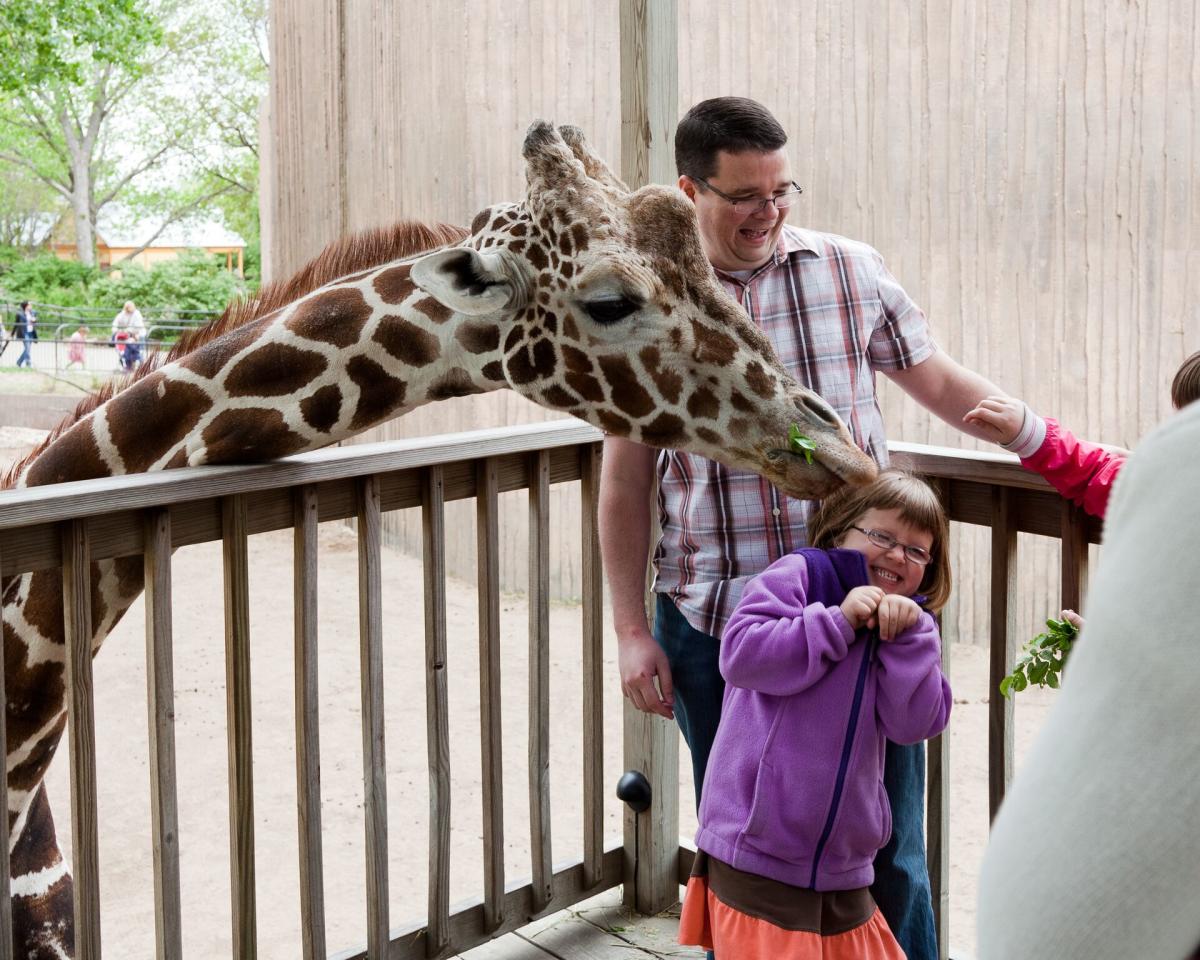
You can also sign up in advance for Wild Encounters, small-group experiences that get you behind the scenes and up close for an additional fee. Among the animals participating: Chilly the penguin, Speed the giant tortoise, Vivian the donkey, as well as a critically endangered eastern black rhino and African elephants.
Among the special Sedgwick County Zoo events throughout the year, you can expect celebrations for Easter, Earth Day, Cinco de Mayo, Mother’s Day and Father’s Day. If you’re here in the fall, the annual Wild Lights festival feature stunning illuminated lantern sculptures throughout the zoo.

Plan your visit
Set aside at least a half day for your visit, with extra time for meals, keeper chats and any booked animal experiences. Start with the zoo map and choose your must-see habitats before you arrive.
Check the zoo’s current hours and visitor notices, then buy tickets for your visit. Animal visibility can change with weather and animal-care needs, so leave a little flexibility in your route.